Forms of Address
How a name goes on a tombstone, nametag, place card, or business card
A tombstone or gravestone typically uses the full name plus birth and death years, sometimes a nickname in quotes between first and last name. A nametag uses first name prominently, with last name and title optional depending on the event formality. A place card uses first and last name, or a title plus last name for a formal seated dinner. A business card uses the full professional name plus title and credentials.
Checked September 10, 2026/5 min read
Written by Claire PostReviewed against USPS Publication 28
What is on this page6 sections

These four items share very little with each other structurally, a permanent stone memorial, a temporary event badge, a seating marker, and a professional card, but they share one underlying question: how much of a person full identity does this specific object actually need to display.
A tombstone answers that question with permanence and completeness. A nametag answers it with speed and informality. The right format follows from the object own purpose, not from a single naming rule that could cover all four at once.
Step by step
Use full name plus dates for a tombstone
Full name (first, middle if desired, last), birth year and death year, are the standard minimum. A nickname the person was known by is sometimes added in quotation marks between the first and last name.
MARGARET "PEGGY" ANNE COLLINS1945 - 2023CorrectStandard tombstone name format. Lead with the first name on a nametag
Most nametags put the first name largest and most prominent, since that is what people actually use to greet someone. Last name and title (company, role) are typically smaller, included for context rather than as the primary identifier.
Match the place card format to the event formality
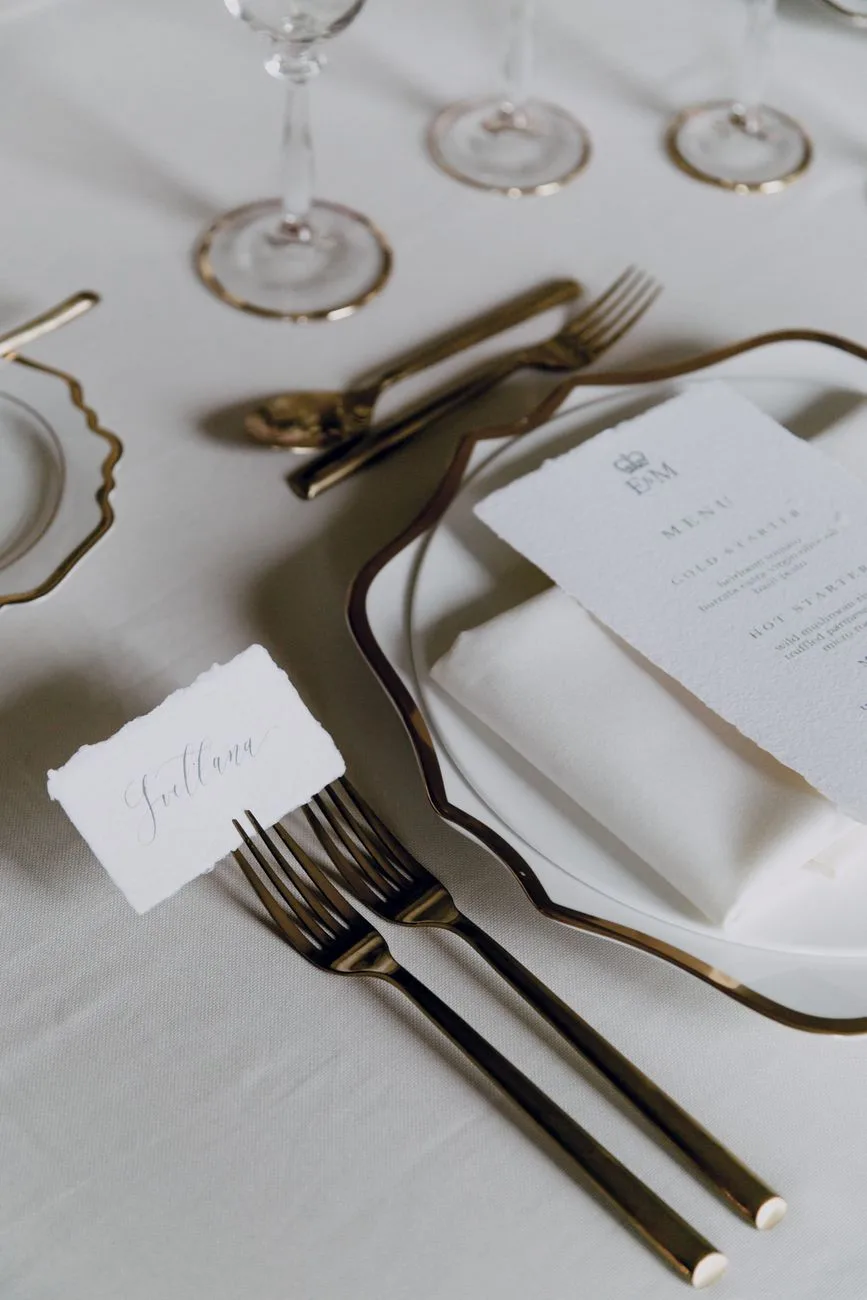
A casual event uses first and last name. A formal seated dinner often uses a title plus last name, "Mr. Alvarez" or "Dr. Chen," matching the formality of the invitation itself.
Include full professional details on a business card
Full name, title, company, and relevant credentials (PhD, Esq., and so on) as appropriate to the profession, formatted according to the specific company own branding standards where one exists.
Quick reference
| Item | Typical format | Notes |
|---|---|---|
| Tombstone / gravestone | Full name + birth/death years | Nickname sometimes added in quotes |
| Nametag | First name prominent, last name smaller | Matches how people actually address each other |
| Place card (casual) | First and last name | Matches informal event tone |
| Place card (formal dinner) | Title + last name | Matches formal invitation tone |
| Business card | Full name, title, credentials | Follows company branding standards |

Special cases
The rule above covers most people. Here is what changes for the rest.
Does a tombstone ever include a title, like Dr. or Rev.?
Yes, when relevant to how the person was known professionally or in their community, a title is sometimes included, though it is a personal or family choice rather than a fixed requirement.
What if a place card needs to fit a very long name?
Abbreviating to first initial and last name, or using a shortened preferred first name, is generally acceptable when the full form will not fit legibly, prioritizing readability at the place setting over completeness.
Should a business card include a maiden name or former name?
A business card should use whatever name the person is currently using professionally; a former name generally does not appear unless it is professionally relevant, similar to a formal document.
Key terms on this page
- Place card
- A small card marking an assigned seat at a formal dinner or event, showing the guest name in a format matching the event overall formality.
- Table tent
- A folded card standing upright on a table, used similarly to a place card or to display a name at a conference or panel setting.