Forms of Address
How to address a rabbi
A rabbi is addressed as "Rabbi [Full Name]" on the envelope, not Mr./Ms. plus the name. The salutation is "Dear Rabbi [Last Name]:" and the same short form, "Rabbi," is used in conversation. A rabbi who also holds a doctorate is addressed as "Rabbi Dr. [Full Name]."
Checked September 10, 2026/5 min read
Written by Claire PostReviewed against USPS Publication 28
What is on this page6 sections
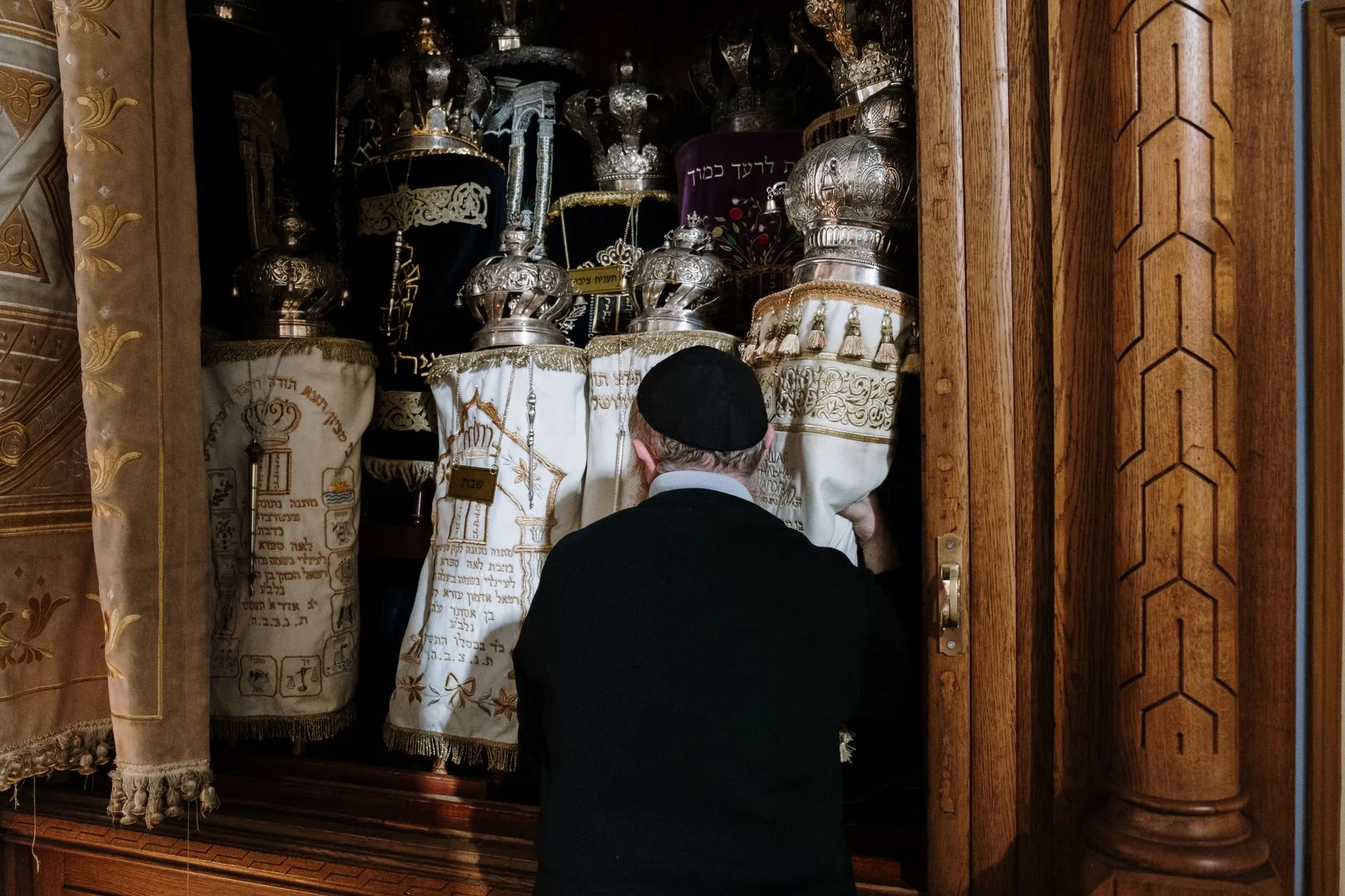
A rabbi title works differently from most of the offices on this site: it is not a courtesy title added in front of a personal one, it replaces the personal title outright. “Rabbi” does the job Mr., Ms., or Dr. would normally do, which is the one detail most people get wrong on a first attempt.
Everything else about the format is straightforward once that substitution clicks: the salutation, the spoken form, and even the married-couple variant all just extend the same core rule.
Step by step
Use Rabbi directly before the full name on the envelope
Rabbi functions as both the title and the professional identifier, so it replaces Mr./Ms. entirely rather than being added alongside it. Add the synagogue name and address below.
RABBI DEBORAH L GOLDSTEINTEMPLE BETH SHALOM400 SYNAGOGUE WAYSPRINGFIELD MA 01103CorrectStandard envelope format for a rabbi. Use Rabbi plus last name in the salutation
"Dear Rabbi [Last Name]:" is the standard formal salutation, used the same way regardless of the specific congregation or denomination.
Use the same short form in conversation
"Rabbi [Last Name]" on first address, "Rabbi" afterward, following the same convention as other professional and clergy titles on this site.
Add Dr. only if the rabbi holds a separate earned doctorate
"Rabbi Dr. [Full Name]" is correct when the person holds both titles. Rabbinic ordination itself is not a doctorate, so Dr. is only added when there is a genuine, separate academic degree behind it.
Quick reference
| Who | Envelope | Salutation |
|---|---|---|
| Rabbi | Rabbi [Full Name] | Dear Rabbi [Last Name]: |
| Rabbi with a doctorate | Rabbi Dr. [Full Name] | Dear Rabbi [Last Name]: |
| Two rabbis, married to each other | Rabbi [Full Name] and Rabbi [Full Name] | Dear Rabbis [Last Name]: |

Special cases
The rule above covers most people. Here is what changes for the rest.
How do I address an envelope to a married couple who are both rabbis?
"Rabbi [First Name] and Rabbi [First Name] [Shared Last Name]" on one line if they share a last name, or two full lines, one per person, if they do not. The salutation becomes "Dear Rabbis [Last Name]:"
Is Rabbi used the same way across different Jewish denominations?
Yes, the title and address form are consistent across Reform, Conservative, Orthodox, and other denominations. What differs by denomination is who is eligible for ordination, not how an ordained rabbi is addressed once in the role.
Key terms on this page
- Rabbi
- A title for an ordained Jewish spiritual leader and teacher, used directly before the full name in place of a general courtesy title.
- Ordination
- The formal process by which a person becomes a rabbi, distinct from an academic doctorate, which is why Dr. is only added when a separate degree is actually held.