Forms of Address
Military rank forms of address
A service member is addressed by their full rank spelled out or its standard abbreviation, followed by their full name, then their branch, on the envelope: "COL James T. Marsh, USA." The salutation and spoken address use the rank alone, "Dear Colonel Marsh:" and "Colonel," regardless of which branch they serve in.
Checked September 10, 2026/9 min read
Written by Claire PostReviewed against USPS Publication 28
What is on this page6 sections
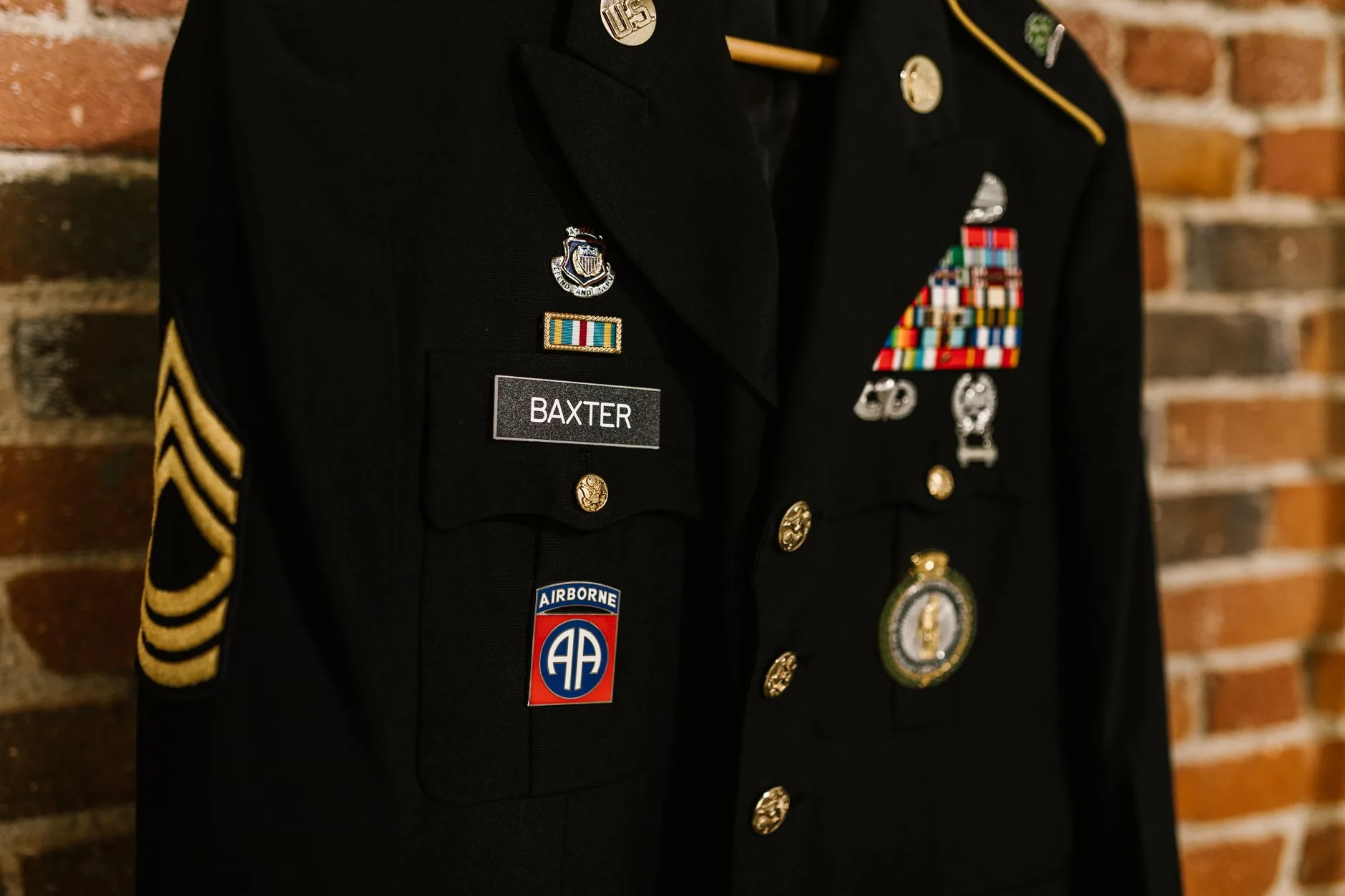
Military rank looks intimidating mainly because there are five branches, each with its own title for the same relative seniority. Once the underlying pay-grade structure clicks, the actual address pattern, rank, name, branch on the envelope, rank alone in the salutation, is no more complicated than any other title on this site.
The one genuinely easy mistake is cross-branch confusion: calling a Navy Captain “Colonel” because that is the Army equivalent rank, for instance. Matching the exact rank word to the exact branch is the part worth double-checking before anything else.
Step by step
Write the rank, full name, and branch on the envelope
Rank first, spelled out or abbreviated, then the full name, then the branch abbreviation (USA, USN, USAF, USMC, USCG). All of it can go on one line for a shorter rank, or the branch can move to a second line if needed. See addressing military mail for the full APO/FPO/DPO address format that goes underneath it.
COL JAMES T MARSH USA4TH INFANTRY DIVISIONFORT CARSON CO 80913CorrectStandard envelope format for an Army Colonel. Use the rank alone in the salutation
"Dear Colonel [Last Name]:" or "Dear Major [Last Name]:" — the branch does not appear in the salutation, only the rank and last name.
Use the rank alone in conversation
"Colonel," "Major," "Sergeant" — the spoken form is simply the rank, used the same way "Doctor" or "Judge" is used for those titles.
Match the exact rank name to the exact branch
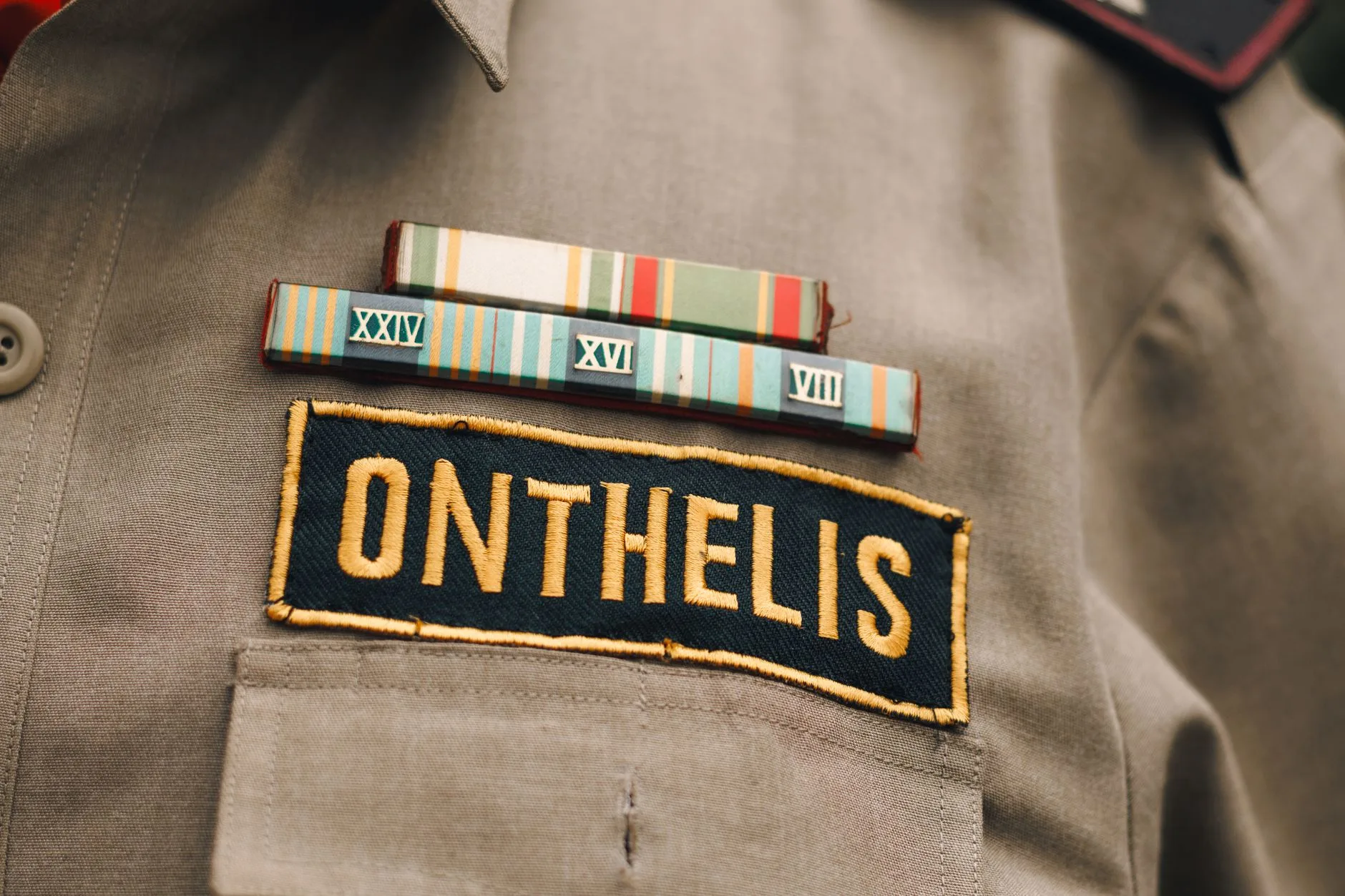
The same pay grade has a different title in different branches — an O-6 is a Colonel in the Army, Air Force, and Marine Corps, but a Captain in the Navy and Coast Guard. Using the wrong branch title for the wrong service is one of the more common mistakes.
Quick reference
| Rank (Army/AF/USMC) | Navy/USCG equivalent | Abbreviation | Salutation |
|---|---|---|---|
| General | Admiral | GEN / ADM | Dear General/Admiral [Last Name]: |
| Lieutenant General | Vice Admiral | LTG / VADM | Dear General/Admiral [Last Name]: |
| Major General | Rear Admiral (Upper Half) | MG / RADM | Dear General/Admiral [Last Name]: |
| Brigadier General | Rear Admiral (Lower Half) | BG / RDML | Dear General/Admiral [Last Name]: |
| Colonel | Captain | COL / CAPT | Dear Colonel/Captain [Last Name]: |
| Lieutenant Colonel | Commander | LTC / CDR | Dear Colonel/Commander [Last Name]: |
| Major | Lieutenant Commander | MAJ / LCDR | Dear Major/Lieutenant Commander [Last Name]: |
| Captain | Lieutenant | CPT / LT | Dear Captain/Lieutenant [Last Name]: |
| First Lieutenant | Lieutenant Junior Grade | 1LT / LTJG | Dear Lieutenant [Last Name]: |
| Second Lieutenant | Ensign | 2LT / ENS | Dear Lieutenant/Ensign [Last Name]: |
| Sergeant Major / Master Chief Petty Officer | (senior enlisted) | SGM / MCPO | Dear Sergeant Major/Master Chief [Last Name]: |
| Sergeant | Petty Officer | SGT / PO | Dear Sergeant/Petty Officer [Last Name]: |
Special cases
The rule above covers most people. Here is what changes for the rest.
How is a Warrant Officer addressed?
A Warrant Officer is addressed by their specific warrant grade, "Chief Warrant Officer [Last Name]" or the abbreviation CW2, CW3, and so on, rather than being folded into either the officer or enlisted rank tables above. The salutation follows the same pattern: "Dear Chief Warrant Officer [Last Name]:"
Does the abbreviation change between formal correspondence and everyday use?
The standard rank abbreviations (COL, MAJ, CPT, and so on) are appropriate for both. Spelling the rank out in full is slightly more formal and common on very formal correspondence or an envelope meant to be read at a glance without needing to decode an abbreviation.
Is General ever used for a rank below the four-star level, informally?
Yes, "General" is commonly used informally for any of the general officer ranks (Brigadier through full General), even though each has a distinct formal title and insignia. Formal correspondence should still use the exact rank when known.
Key terms on this page
- Pay grade
- The standardized rank-numbering system (O-1 through O-10 for officers, E-1 through E-9 for enlisted) used to compare equivalent ranks across different service branches.
- Warrant Officer
- A specialized technical rank between enlisted and commissioned officer ranks, addressed by their specific warrant grade rather than a general officer or enlisted title.