Forms of Address
How to address military chaplains, reservists, veterans, and retired officers
A retired officer may continue using their rank as a courtesy title, typically noted with "(Ret.)" after the branch abbreviation. A reservist on active orders uses their rank normally; off orders, use is more a matter of personal preference. A veteran no longer serving generally is not addressed by rank unless they explicitly prefer it. A military chaplain combines their rank with a religious title.
Checked September 10, 2026/6 min read
Written by Claire PostReviewed against USPS Publication 28
What is on this page6 sections
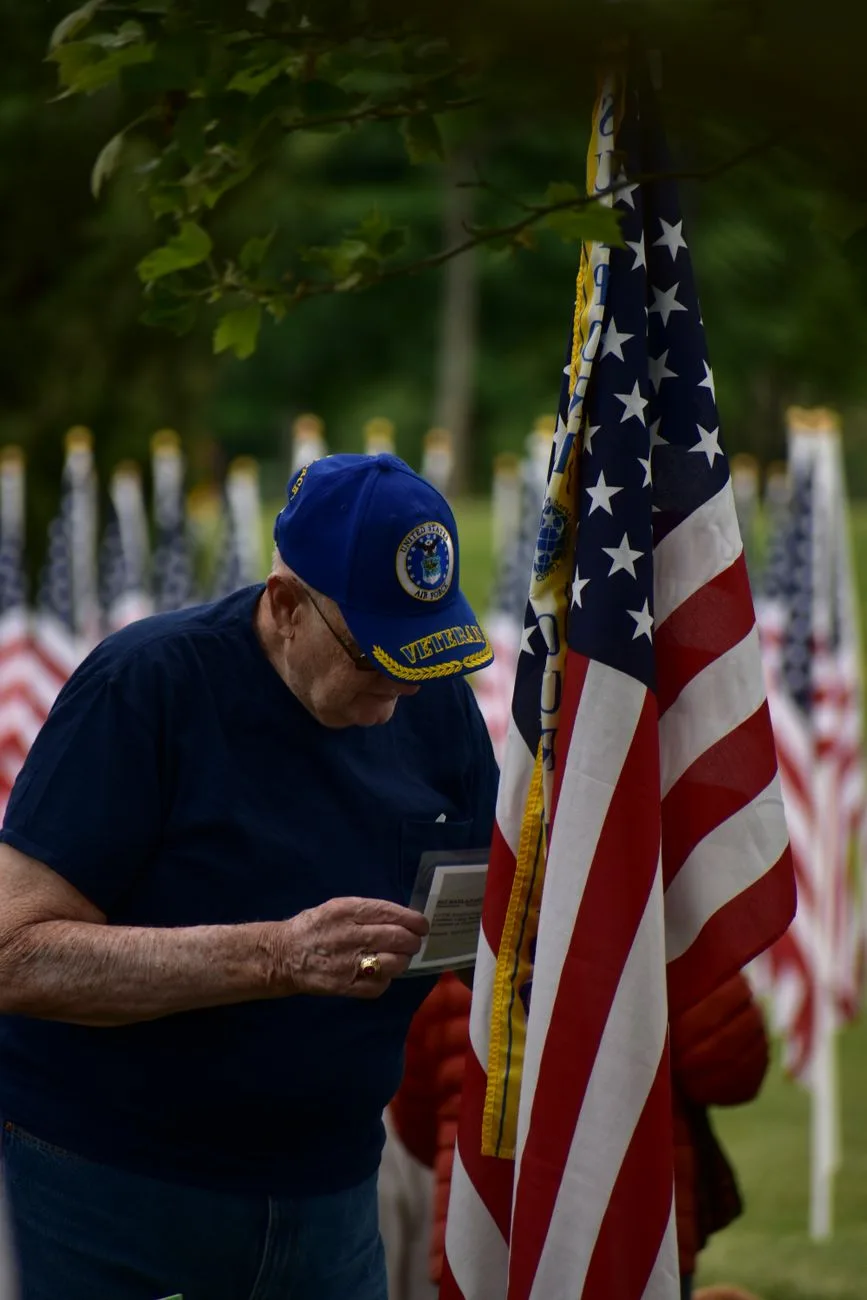
Rank itself is the easy part once you have the reference table. What trips people up is everything adjacent to active duty: a retired officer who still uses the title, a veteran who may or may not want to, and a chaplain who holds two titles at once rather than one.
None of these situations have a single universal rule the way active-duty rank use does. They come down to convention and, in the veteran case specifically, genuine personal preference, which is worth checking rather than assuming.
Step by step
Use rank normally for anyone on active duty
Active-duty service members, including activated reservists on current orders, are addressed by rank exactly as described on the main military ranks reference, no special handling needed.
Add (Ret.) for a retired officer who continues using their rank
"COL James T. Marsh, USA-Ret." on the envelope. Military custom broadly permits a retired officer to continue using their rank as a courtesy title for life, similar to how "Judge" or "Ambassador" carries over after leaving those offices.
COL JAMES T MARSH USA-RET220 MAPLE RIDGE DRCOLUMBIA SC 29201CorrectA retired officer, rank used as a courtesy title. Treat a veteran, no longer serving, as a matter of preference
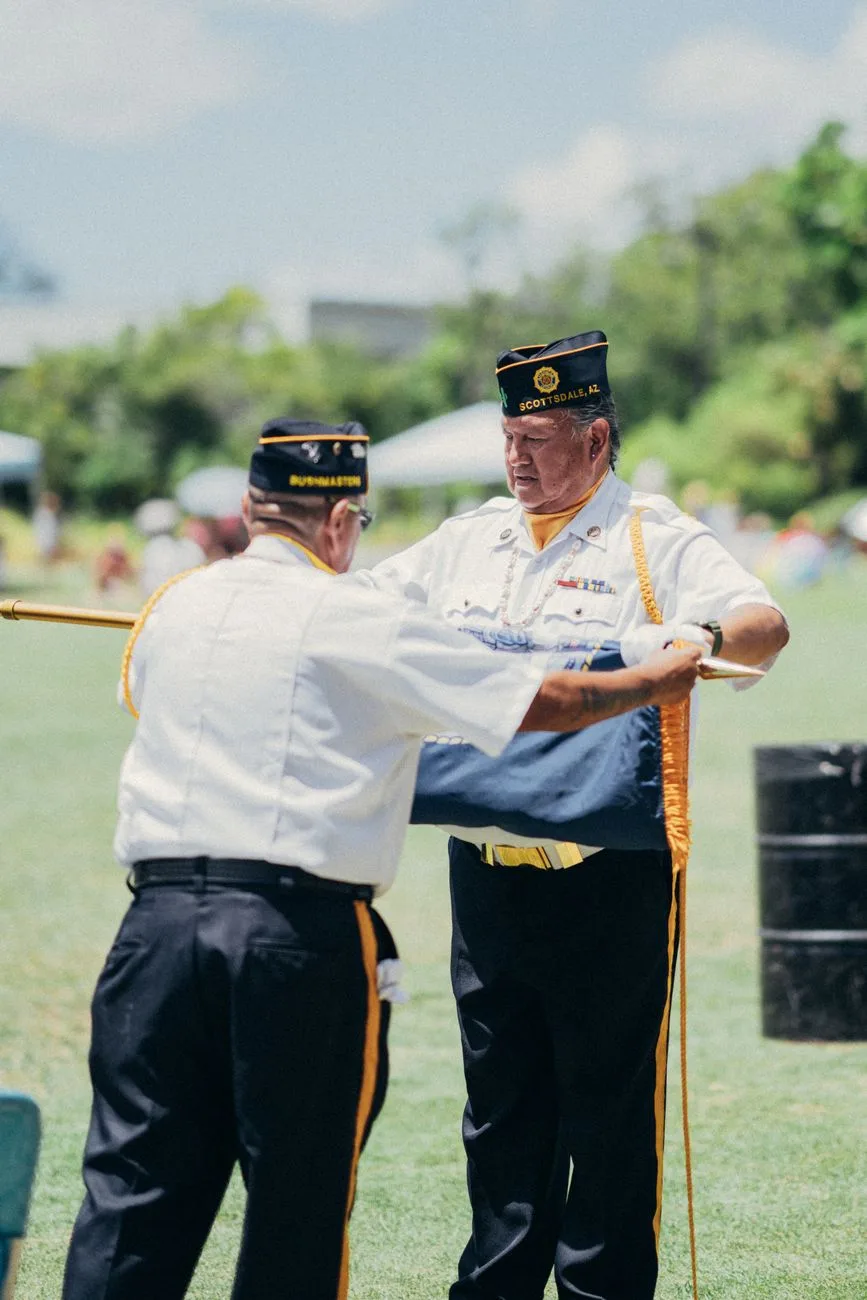
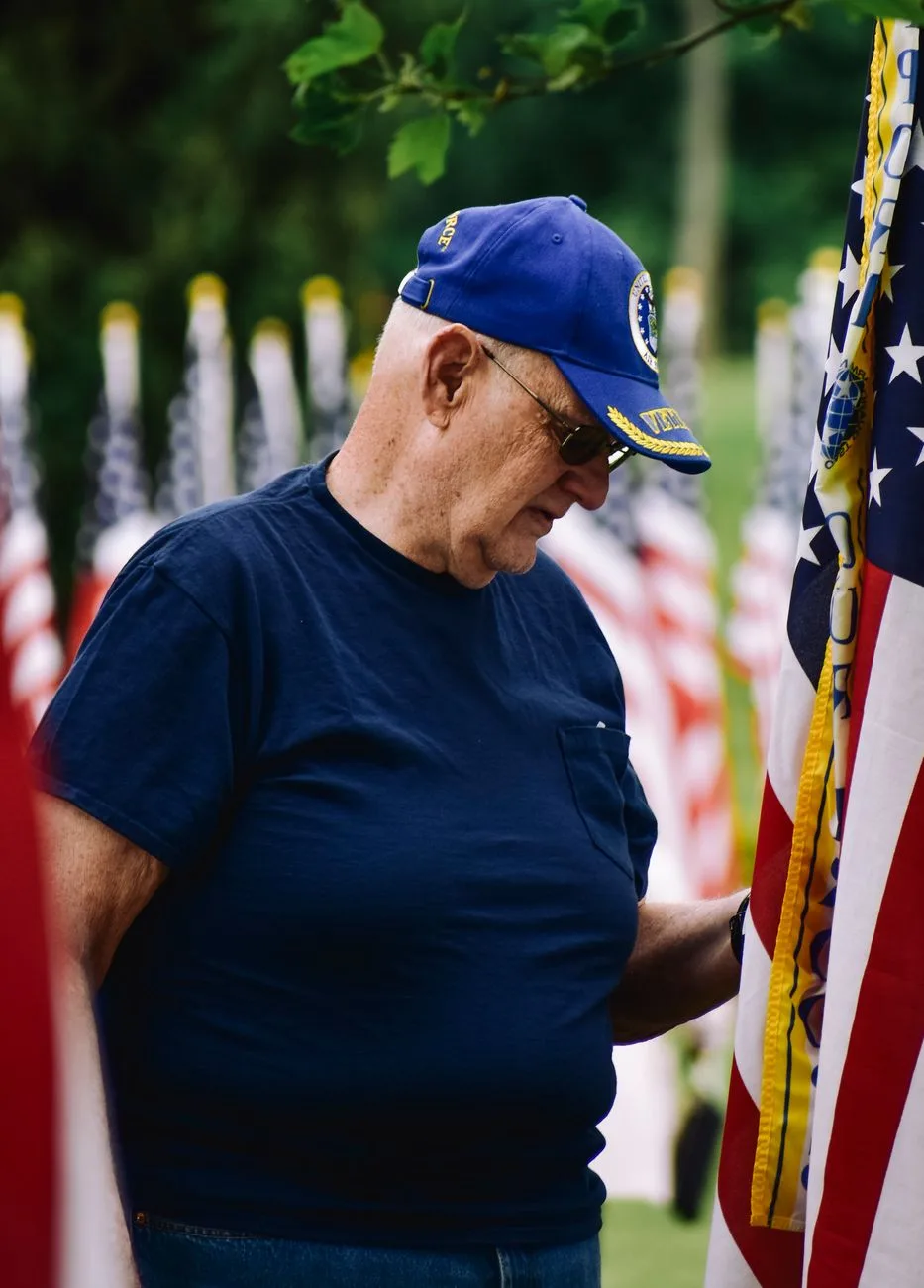
Someone who served but has since left the military entirely, not retired with a pension, is not automatically addressed by rank the way a retiree is. Some veterans prefer to keep using it informally; when in doubt, ask or use their standard civilian title instead.
Combine rank and religious title for a military chaplain
"Chaplain (COL) James T. Marsh" or "COL James T. Marsh, Chaplain Corps," depending on the specific branch convention, reflects that a chaplain holds a military rank while serving in a distinctly religious role.
Quick reference
| Status | Envelope | Notes |
|---|---|---|
| Active duty | Rank + Full Name + Branch | Standard rank use, no special notation |
| Activated reservist | Rank + Full Name + Branch | Same as active duty while on current orders |
| Reservist, not activated | Rank + Full Name + Branch (USAR/ANG, etc.) | Rank use is standard; add the specific reserve component abbreviation |
| Retired officer | Rank + Full Name + Branch-Ret. | Courtesy title, widely accepted for life |
| Veteran (separated, not retired) | Standard civilian title, unless preferred otherwise | Rank use becomes a matter of personal preference |
| Military chaplain | Chaplain (Rank) + Full Name | Combines religious and military titles |
Special cases
The rule above covers most people. Here is what changes for the rest.
Does a retired enlisted service member get the same (Ret.) treatment as an officer?
Yes, the same courtesy convention applies across officer and enlisted ranks alike; a retired Sergeant Major can be addressed as "SGM [Full Name], USA-Ret." the same way a retired Colonel is.
How do I address a military doctor, who holds both a medical credential and a rank?
Convention varies, but rank generally takes precedence in a military context: "COL [Full Name], MD" or simply the rank alone, since the military hierarchy is the operative one on a military installation or in military correspondence.
What about a military couple, where both spouses hold rank?
Each person keeps their own rank on their own line: "COL Jane Marsh" and "MAJ David Marsh," rather than combining them the way a civilian married couple might share one line.
Key terms on this page
- (Ret.)
- The standard notation added after a branch abbreviation to mark that a service member rank is a retired courtesy title rather than an active-duty position.
- Chaplain Corps
- The branch of military service composed of ordained clergy who hold military rank while serving in a religious capacity.