Forms of Address
How to address Catholic clergy
Catholic clergy titles form a hierarchy, each with its own address form: "His Holiness" for the Pope, "His Eminence" for a Cardinal, "The Most Reverend" for an Archbishop or Bishop, and "The Reverend" for a Priest. The salutation matches the title, and a Brother or Sister uses their religious name directly, without The Reverend.
Checked September 10, 2026/8 min read
Written by Claire PostReviewed against USPS Publication 28
What is on this page6 sections
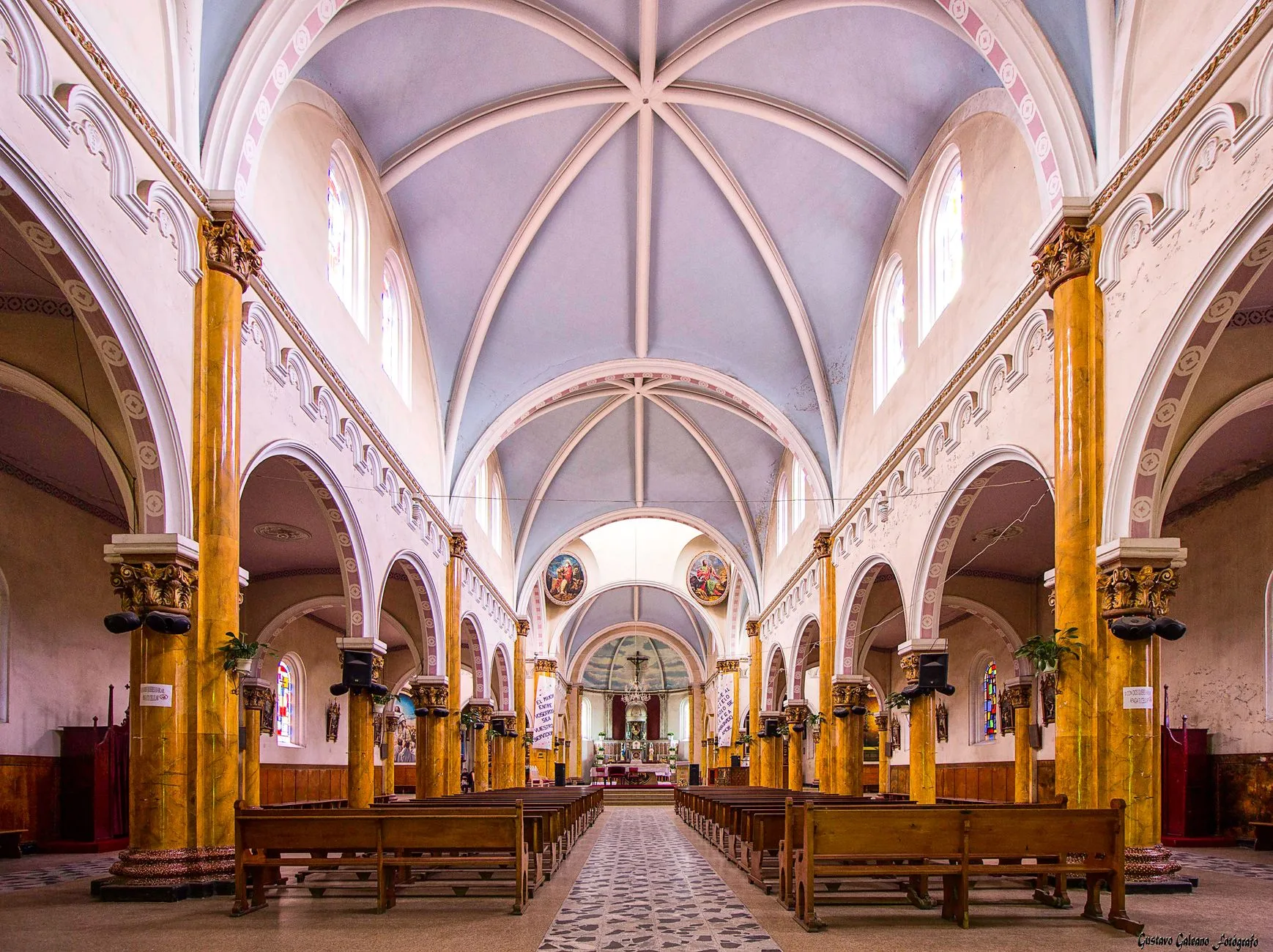
The Catholic clergy hierarchy has more distinct ranks, and more distinct honorifics, than almost any other title cluster on this site, but each one follows a consistent internal logic once you see the pattern: the honorific reflects the rank, and the salutation reflects the honorific.
Getting the specific form right, His Holiness versus His Eminence versus The Most Reverend, matters more here than for most titles, since using the wrong tier own address for a Catholic clergy member is a more noticeable error than it would be for, say, two similar city council titles.
Step by step
Address the Pope as His Holiness
"His Holiness Pope [Regnal Name]" on the envelope, with "Your Holiness" as the salutation and spoken form. This is the most formal address on this entire site.
HIS EMINENCECARDINAL RICHARD J OKONKWOARCHDIOCESE OF CHICAGO835 N RUSH STCHICAGO IL 60611CorrectStandard envelope format for a Cardinal. Address a Cardinal as His Eminence
"His Eminence Cardinal [Last Name]" on the envelope, with "Your Eminence" as the salutation. Cardinal is both a title and a rank within the church hierarchy, generally held alongside another role such as archbishop.
Address an Archbishop or Bishop as The Most Reverend
"The Most Reverend [Full Name], Archbishop/Bishop of [Diocese]" on the envelope, with "Your Excellency" or "Dear Archbishop/Bishop [Last Name]:" as the salutation, depending on formality.
Address a Monsignor and Priest with their specific Reverend form
A Monsignor is "The Reverend Monsignor [Full Name]"; a parish priest is "The Reverend [Full Name]." Both use "Dear Father [Last Name]:" as the standard salutation.
Address a Brother or Sister by their religious name
"Brother [Name]" or "Sister [Name]" directly, without The Reverend. The salutation matches: "Dear Brother [Name]:" or "Dear Sister [Name]:"
Address a Deacon as The Reverend Mr.
"The Reverend Mr. [Full Name]," a distinct form from a full priest, with "Dear Deacon [Last Name]:" as the standard salutation.
Quick reference
| Rank | Envelope opens with | Salutation |
|---|---|---|
| Pope | His Holiness Pope [Name] | Your Holiness |
| Cardinal | His Eminence Cardinal [Last Name] | Your Eminence |
| Archbishop | The Most Reverend [Full Name] | Your Excellency / Dear Archbishop [Last Name]: |
| Bishop | The Most Reverend [Full Name] | Your Excellency / Dear Bishop [Last Name]: |
| Monsignor | The Reverend Monsignor [Full Name] | Dear Monsignor [Last Name]: |
| Priest | The Reverend [Full Name] | Dear Father [Last Name]: |
| Deacon | The Reverend Mr. [Full Name] | Dear Deacon [Last Name]: |
| Brother / Sister | Brother/Sister [Name] | Dear Brother/Sister [Name]: |
Special cases
The rule above covers most people. Here is what changes for the rest.
Why is a Bishop addressed as The Most Reverend, the same as an Archbishop?
Both ranks use the same "Most Reverend" form, since it reflects their shared status as ordained bishops of the church. The distinction between them is in the office line, Archbishop of a larger archdiocese versus Bishop of a diocese, not in the honorific itself.
Does a retired or emeritus Bishop keep the same address form?
Yes, "The Most Reverend" and "Your Excellency" continue for a retired bishop, with "Emeritus" added to the office line, for example "Bishop Emeritus of [Diocese]," to reflect that they no longer actively lead that diocese.
Is a Cardinal always also an Archbishop or Bishop?
Almost always in modern practice, though the Cardinal title itself is a distinct rank within the church, layered on top of a bishop own office. Address them primarily by the Cardinal form, His Eminence, rather than the Archbishop form.
Key terms on this page
- His Holiness
- The formal address for the Pope, the highest office in the Catholic Church hierarchy.
- His Eminence
- The formal address for a Cardinal, a senior church official who elects and advises the Pope.
- The Most Reverend
- The formal address for a Bishop or Archbishop, denoting their ordained authority over a diocese or archdiocese.