Forms of Address
How to address Eastern Orthodox clergy
Eastern Orthodox clergy titles form a hierarchy similar in spirit to Catholic clergy but with distinct forms: "His All-Holiness" or "His Beatitude" for a Patriarch, "His Eminence" for an Archbishop or Metropolitan, "His Grace" for a Bishop, and "The Very Reverend" for an Archimandrite or Archpriest. A Priest uses "The Reverend Father," and a Monk or Nun is addressed by their monastic name directly.
Checked September 10, 2026/7 min read
Written by Claire PostReviewed against USPS Publication 28
What is on this page6 sections
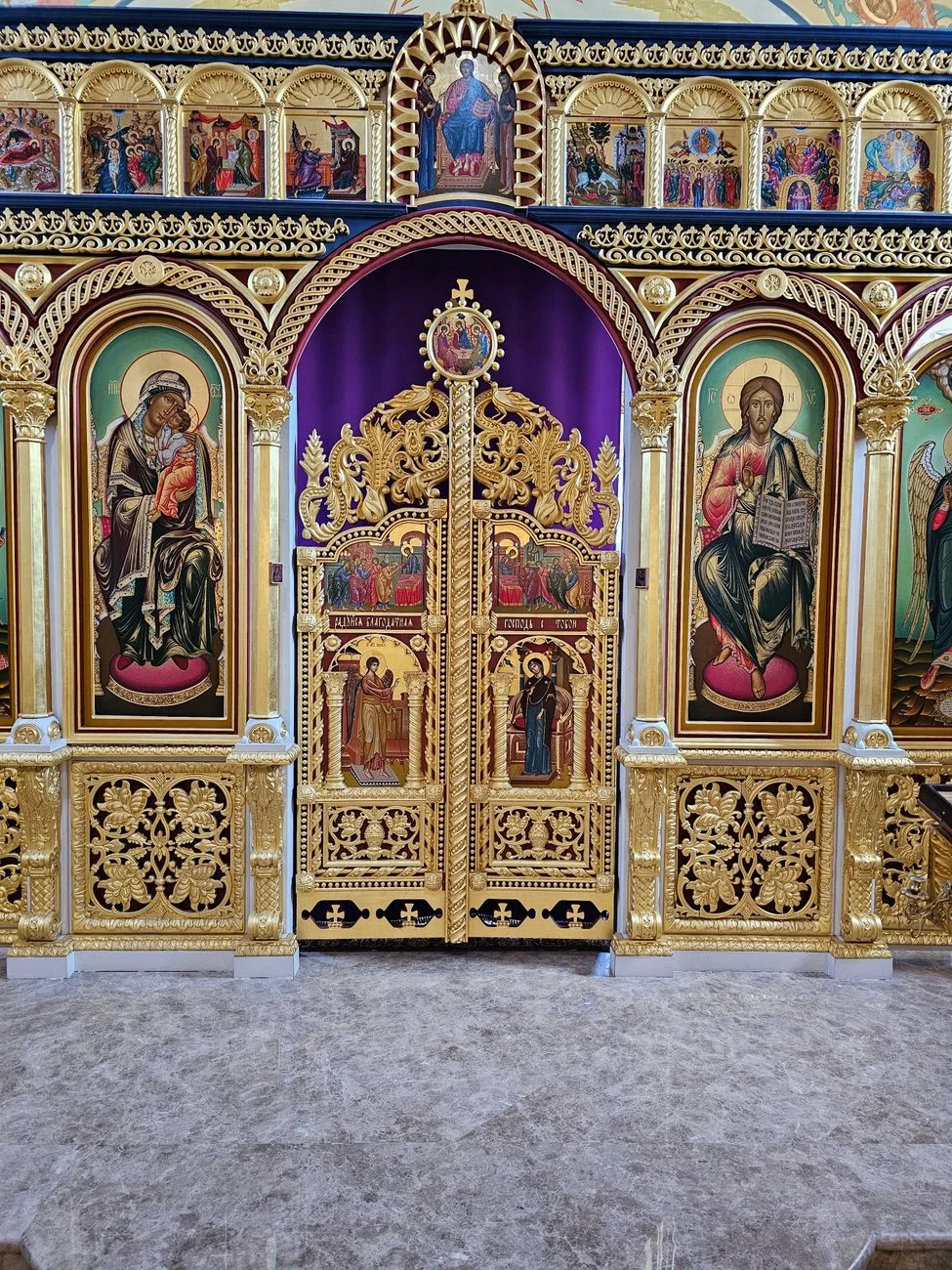
Eastern Orthodoxy organizes its clergy hierarchy differently from Western Christianity, as a communion of self-governing churches rather than one central authority, and the address forms reflect that structure directly: which honorific a Patriarch receives depends on which church they lead, not just their rank.
Once past the Patriarch level, the hierarchy settles into a more familiar pattern, His Eminence, His Grace, then the Reverend tiers, similar in spirit to the Catholic and Anglican systems even though the specific words are distinct to Orthodoxy.
Step by step
Address the Ecumenical Patriarch as His All-Holiness
The Ecumenical Patriarch of Constantinople, first among equals in Orthodox Christianity, is addressed as "His All-Holiness Ecumenical Patriarch [Name]" on the envelope, with "Your All-Holiness" as the salutation.
HIS EMINENCEMETROPOLITAN NICHOLAS OF DETROITGREEK ORTHODOX METROPOLISDETROIT MI 48226CorrectStandard envelope format for a Metropolitan. Address other Patriarchs as His Beatitude
Leaders of other autocephalous Orthodox churches (Moscow, Antioch, and others) are generally addressed as "His Beatitude Patriarch [Name]," with "Your Beatitude" as the salutation, a distinct form from the Ecumenical Patriarch.
Address an Archbishop or Metropolitan as His Eminence
"His Eminence Archbishop/Metropolitan [Full Name]" on the envelope, with "Your Eminence" as the salutation, the same honorific used for a Catholic Cardinal.
Address a Bishop as His Grace
"His Grace Bishop [Full Name]" on the envelope, with "Your Grace" as the salutation, one tier below Archbishop or Metropolitan.
Address an Archimandrite or Archpriest as The Very Reverend
An Archimandrite (a senior celibate monastic priest) or Archpriest (a senior married priest) is addressed as "The Very Reverend [Full Name]," with "Dear Father [Last Name]:" as the standard salutation.
Address a Priest, Monk, Nun, or Deacon by their specific form
A parish priest is "The Reverend Father [Full Name]." A Monk or Nun uses their monastic name directly, "Father/Mother [Monastic Name]." A Deacon is "The Reverend Deacon [Full Name]."
Quick reference
| Rank | Envelope opens with | Salutation |
|---|---|---|
| Ecumenical Patriarch | His All-Holiness | Your All-Holiness |
| Other Patriarch | His Beatitude | Your Beatitude |
| Archbishop / Metropolitan | His Eminence | Your Eminence |
| Bishop | His Grace | Your Grace |
| Archimandrite / Archpriest | The Very Reverend | Dear Father [Last Name]: |
| Priest | The Reverend Father | Dear Father [Last Name]: |
| Monk / Nun | Father/Mother [Monastic Name] | Dear Father/Mother [Name]: |
| Deacon | The Reverend Deacon | Dear Deacon [Last Name]: |
Special cases
The rule above covers most people. Here is what changes for the rest.
Why do different Orthodox Patriarchs use different honorifics?
Orthodoxy is organized as a communion of self-governing (autocephalous) churches rather than one centralized hierarchy. The Ecumenical Patriarch holds a "first among equals" honorary primacy and its own distinct honorific, while other Patriarchs, though equally heads of their own churches, traditionally use His Beatitude.
Is Metropolitan the same rank as Archbishop?
The two titles are closely related and both use His Eminence; the specific term used depends on the jurisdiction and the particular office within it, rather than reflecting a strict difference in seniority in every case.
How is Abbess addressed?
An Abbess, the head of a women monastic community, is addressed as "Mother [Monastic Name], Abbess of [Monastery]," with "Dear Mother [Name]:" as the salutation.
Key terms on this page
- Autocephalous church
- A self-governing Eastern Orthodox church with its own head bishop, not administratively subordinate to another Orthodox church.
- Archimandrite
- A senior celibate monastic priest in the Eastern Orthodox Church, often serving in an administrative or leadership role.